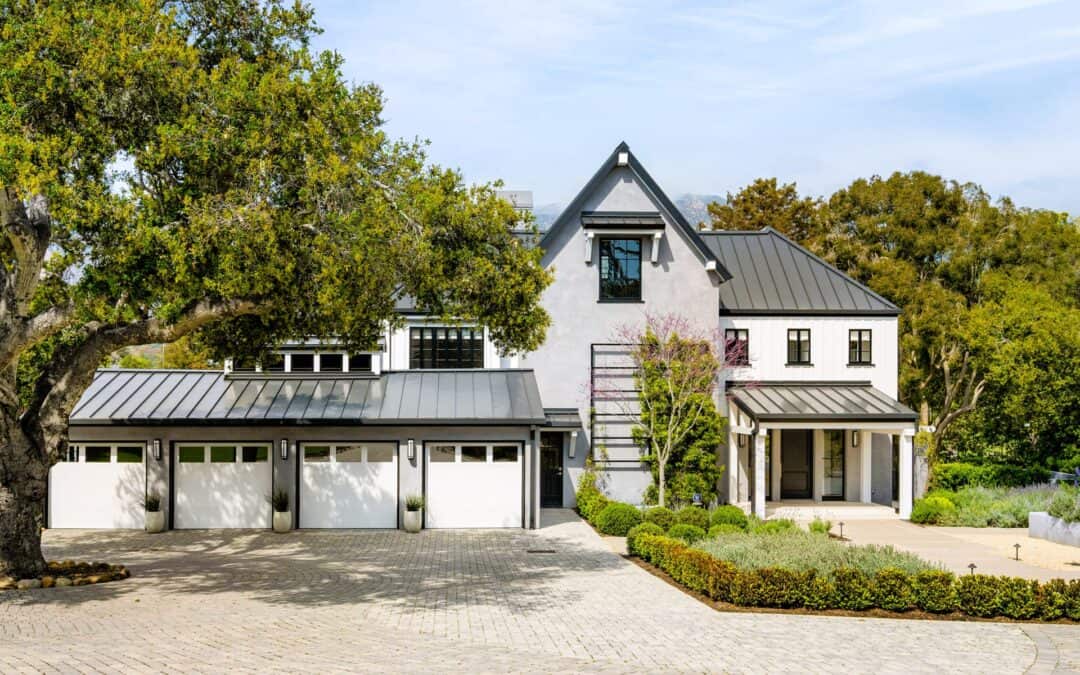
Metal roofing continues to gain attention from both homeowners and businesses looking for long-lasting and energy-conscious roofing solutions. Among roofing services,
metal roofs stand out for their strength, design flexibility, and long-term value. But no roofing material is perfect, and knowing what to expect can save time and money. This breakdown explores the most important advantages and potential drawbacks of metal roofing installation based on data and industry best practices.
Exceptional Lifespan and Strength
Few materials last as long as metal when it comes to roofing. One property owner installed a coated metal roof in the early 2000s, and over two decades later, the structure still performs with minimal upkeep. The material's built-in resistance to fire, pests, wind, and rot offers an unmatched level of protection.
- According to RoofingCalc, premium metal roofs last 50 to 60 years, outpacing asphalt by a factor of two or more.
- High-quality metal roofs can resist wind gusts up to 140 mph and are less likely to crack or degrade over time.
- Routine maintenance for metal roofing is significantly less demanding than for materials like wood shakes or tile.
Growing Popularity Backed by Performance
More homeowners are turning to metal as they seek durable, environmentally friendly roofing solutions. A recent study from The Spruce found metal roofing’s market share growing by roughly 3% annually. With this growth comes broader design options, lower prices, and a deeper pool of qualified installers.
- Metal roofing continues to grow as an eco-conscious choice due to recyclability and energy efficiency.
- The style selection has expanded, including profiles that resemble shingles, shakes, or tile.
- Manufacturers now offer coatings that improve solar reflectance and corrosion resistance.
Environmentally Friendly and Energy Smart
For those focused on sustainability, metal roofing is an appealing option. One homeowner installed reflective panels and saw a drop of nearly 20% in annual cooling costs. These roofs not only reduce environmental impact but also make homes more efficient year-round.
- According to the U.S. Department of Energy, reflective metal can cut cooling costs by 10–25%.
- Many metal roofing products are made with 25–95% recycled content and are fully recyclable at the end of use.
- Metal roofs reduce waste compared to asphalt shingles, which account for billions of pounds of landfill waste annually.
Design Flexibility and Visual Appeal
While some imagine shiny silver sheets, the reality is far more diverse. Metal roofing today includes hundreds of colors and finishes, making it adaptable to modern, traditional, and rustic home styles. Whether installed on a contemporary flat-roof house or a craftsman bungalow, metal can match the vision.
- Color and finish options allow homeowners to match siding, stonework, and architectural accents.
- Profiles include standing seam, corrugated panels, and shingle-style designs.
- Finish coatings such as Kynar 500 provide color retention and UV resistance.

Understanding the Cost Factor
Metal roofing often requires a higher initial investment compared to asphalt or composite materials. One homeowner reported spending nearly double on a standing seam roof versus shingles, but also noted fewer repair bills over the next decade. Upfront cost is a trade-off for long-term value and fewer headaches down the line.
- State Farm notes that metal roofs can cost two to three times more than asphalt, depending on material and labor.
- The price per square foot typically ranges from $8 to $16, depending on style and region.
- While expensive, many metal roofs come with 30–50 year warranties that reduce long-term risk.
Potential Drawbacks to Consider
No roofing solution is without its downsides. Metal can sometimes be noisy during storms, although this is often mitigated by attic insulation. In some climates, freeze-thaw cycles may cause panels to shift or expand. Proper installation remains one of the biggest factors in long-term performance.
- Metal roofs may dent under impact from large hail or falling branches, particularly thinner grades.
- Expansion and contraction during extreme temperature swings can loosen fasteners if not accounted for in design.
- Color matching for repairs or extensions can be challenging years after initial installation.
Installation Requires Expertise
Installing metal roofing involves more precision than traditional shingles. A poor install can cause leaks, panel failure, or reduced lifespan. One project saw issues within a year due to skipped fasteners and poorly sealed seams, problems avoided by using trained professionals.
- Proper fastening systems allow for expansion and contraction without loosening over time.
- Sealants must be UV-stable and water-tight to prevent corrosion beneath panels.
- Underlayment and ventilation systems need to align with the selected metal type and climate zone.
Restoration Over Replacement in Some Cases
Not all aging metal roofs need full replacement.
Restoration coatings, such as acrylic latex primers or elastomeric membranes, can breathe new life into existing panels. These coatings extend performance and seal minor damage, giving owners a second chance without the expense of a full tear-off.
- Restoration coatings can create a seamless, waterproof barrier that resists cracking and UV damage.
- This option reduces material waste and often costs less than full replacement.
- Periodic maintenance coating extends roof life without disrupting daily operations in commercial buildings.
Evaluating Metal Roofing as a Long-Term Solution
Choosing metal for your roof means choosing durability, energy performance, and future savings, but only if installed and maintained correctly. While the price tag may be steep, many find the return well worth it. From fire resistance to weather protection and energy benefits, metal brings a lot to the table. Still, it’s not right for every situation, so weighing the specifics of each property remains essential. With accurate information and expert support, metal roofing becomes not just a possibility, but a smart investment.

Key Takeaways: The Pros and Cons of Metal Roofing Installation
- Metal roofing offers lifespans of 40–70 years and exceptional durability in most climates.
- Reflective surfaces and recycled content make metal an energy-saving and eco-conscious option.
- Upfront costs can be high, but long-term maintenance savings often balance the scale.
- Noise, denting, and temperature shifts are manageable with proper planning and installation.
- Choosing certified installers ensures structural integrity and long-lasting performance.
FAQs
- What are the primary advantages of metal roofing compared to other materials?
Metal roofing resists wind, fire, and impact, often lasting several decades with minimal upkeep. Its reflective properties also reduce heat absorption in warmer months.
- Are there any aesthetic limitations with metal roofing?
Today’s metal roofing comes in many finishes, styles, and textures, including profiles that replicate wood shakes or clay tile.
- How does the cost of metal roofing compare to other options?
While the initial cost is higher than asphalt, metal typically requires fewer repairs, offers longer warranties, and can reduce energy bills over time.
- What are some common concerns with metal roofing installation?
Concerns include denting from hail, color mismatch after years of exposure, and installation complexity that requires trained professionals.
- Is metal roofing suitable for all climates and roof types?
Yes. With the right finish and slope, metal works well in snowy, windy, and sunny regions. Flat roofs may require specialized metal systems or coating solutions to ensure drainage.